

Moving From Little Rock to Another City? Here’s How to Plan a Long-Distance Move
A practical guide for leaving Little Rock without turning your move into a cross-country scavenger hunt.
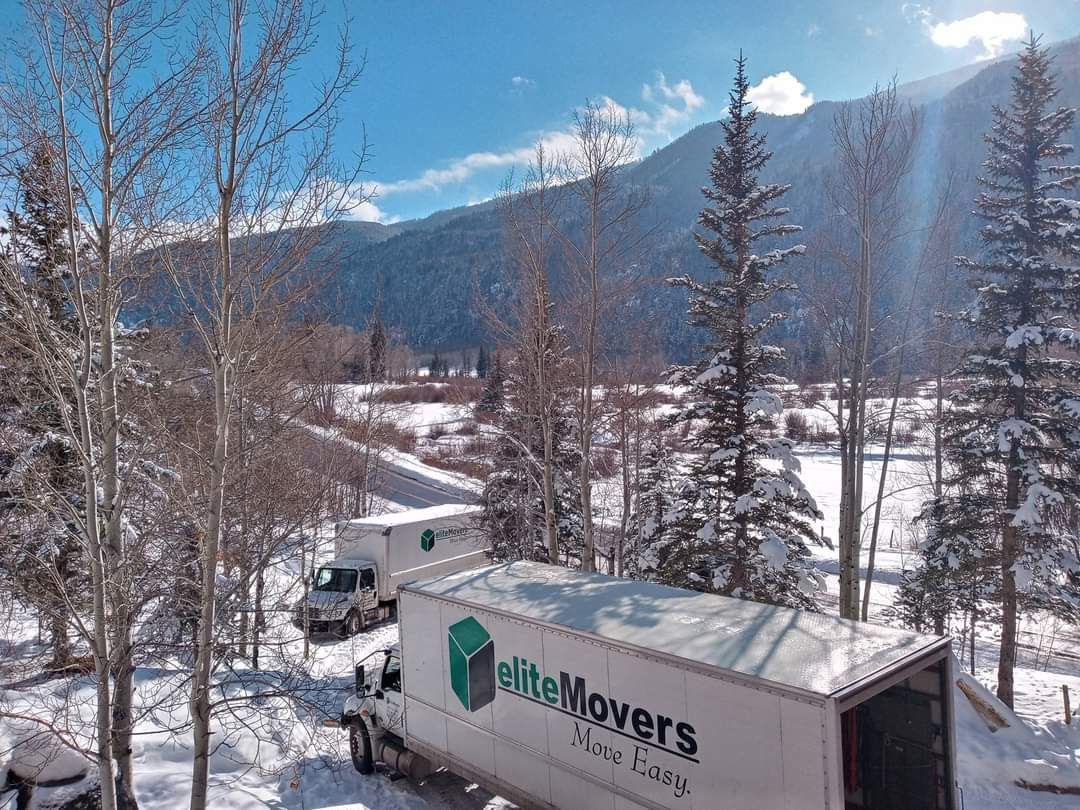
Moving across town is one thing.
Moving from Little Rock to another city is a different animal.
A local move gives you room for mistakes.
Forget something? You can drive back.
Need one more box? Grab it later.
Left the charger? Annoying, but survivable.
A long-distance move does not play that game.
Once the truck pulls away, the move gets real.
And if your plan is “we’ll figure it out when we get there,” congratulations, you have just entered the chaos casino.
Nobody wins big there.
If you are moving from Little Rock to another city, another part of Arkansas, or another state, you need more than boxes and good intentions. You need timing, organization, smart packing, clear communication, and the right long-distance movers in Little Rock.
Because this is not just about getting your stuff out of one house.
It is about getting your life set up somewhere else without creating a trail of missing documents, broken lamps, and regret snacks from every gas station between here and there.
If you are moving from Little Rock to another city, do not build the plan around hope, tape, and a borrowed truck.
Call Elite Movers for a free long-distance moving estimate.
Get the crew, packing support, planning, and professional moving help to leave Little Rock without turning the move into a cross-city scavenger hunt.
Because when the truck leaves town, “did we forgot something” gets a lot more expensive.
Key Takeaways
- Long-distance moves require more planning than local moves because there is less room for last-minute fixes.
- Hiring long-distance movers in Little Rock can help with packing, loading, transport, unloading, and reducing stress.
- Start planning early so you have time to sort, downsize, pack, schedule movers, and handle address changes.
- Create a room-by-room inventory before packing so you know what is moving and what is not.
- Do not move items you no longer need, use, love, or have room for.
- Keep important documents, medication, chargers, valuables, keys, clothing, and first-night essentials with you.
- Long-distance packing needs to be stronger than local packing because items may travel farther and be handled longer.
- Label boxes clearly by room, priority, and contents so unpacking is easier.
- Ask your moving company about timing, packing help, access, heavy items, fragile items, and what they need for an accurate estimate.
- A good long-distance move is not built around speed alone. It is built around preparation, protection, and communication.
Quick Answers for Long-Distance Moving Questions
How do I plan a long-distance move from Little Rock?
To plan a long-distance move from Little Rock, start with your moving date, create a room-by-room inventory, decide what not to move, schedule long-distance movers early, pack carefully, keep important items with you, and plan your first night in the new home.
When should I book long-distance movers in Little Rock?
You should book long-distance movers as early as possible, ideally several weeks ahead. Long-distance moves require more planning, scheduling, packing, and coordination than local moves.
What should I keep with me during a long-distance move?
Keep medications, documents, wallet, ID, phone charger, laptop, keys, valuables, toiletries, clothing, pet supplies, snacks, and first-night essentials with you during a long-distance move.
How should I pack for a long-distance move?
Pack for a long-distance move using sturdy boxes, strong tape, padding, clear labels, and careful protection for fragile items. Avoid loose items and label boxes by room, contents, and priority.
Is hiring long-distance movers worth it?
Hiring long-distance movers can be worth it because they help with planning, loading, transportation, furniture protection, unloading, and reducing stress during a more complicated move.
What should I not move long distance?
You should avoid moving items you no longer use, broken furniture, expired items, clutter, hazardous materials, perishable food, and anything that costs more to move than replace.
Can movers help with packing for a long-distance move?
Yes, many professional movers offer packing services for long-distance moves. Packing help can be useful if you have fragile items, limited time, a large home, or want better protection during transport.
What questions should I ask long-distance movers?
Ask long-distance movers about service areas, packing help, timing, furniture protection, heavy items, fragile items, items they cannot move, estimate requirements, and how to prepare before moving day.
Why Long-Distance Moves Need a Different Plan
A long-distance move is not just a bigger local move.
It has different rules.
With a local move, small mistakes are annoying.
With a long-distance move, small mistakes can become expensive, stressful, and harder to fix.
Long-distance moves usually involve:
- More planning
- More packing
- More travel time
- More coordination
- More careful loading
- More important paperwork
- More decisions about what not to move
- More pressure to get it right the first time
That last part matters.
If you are moving from Little Rock to Dallas, Nashville, Memphis, Tulsa, Fayetteville, Bentonville, St. Louis, or another city, you do not want to discover after arrival that the box with your medications is somewhere under the Christmas decorations.
That is not a minor inconvenience.
That is a planning failure wearing a cardboard hat.
Long-distance moving rewards preparation.
It punishes winging it.
Pretty aggressively, actually.
Start With Your Moving Date and Destination Timeline
Before you pack anything, get clear on your timeline.
Long-distance moves need timing.
Start with these questions:
- When do you need to be out of your current home?
- When can you get into the new home?
- Are the dates flexible?
- Is there a closing date, lease start date, or job start date?
- Will you need temporary housing?
- Will your belongings arrive before or after you?
- Do you need storage?
- Are utilities scheduled at both locations?
- Are pets or kids part of the travel plan?
The move date shapes everything else.
If your dates are tight, you need to plan earlier and communicate clearly with your movers.
A long-distance move can get complicated fast when the old place, new place, movers, utilities, work schedules, school schedules, and travel plans all have to line up.
It is like planning a road trip, except the snacks are in boxes and your mattress may arrive on a different timeline.
Fun? Not exactly.
Manageable? Yes.
With a plan.
Build a Room-by-Room Inventory
Before you pack, create an inventory.
Not fancy.
Just useful.
Walk through each room and write down what is moving.
Start with:
- Large furniture
- Bedroom sets
- Dining furniture
- Sofas and chairs
- Appliances if applicable
- Office furniture
- TVs and electronics
- Outdoor furniture
- Garage items
- Tools
- Boxes by room
- Fragile items
- High-value items
- Oversized or heavy pieces
This helps in several ways.
First, it helps you get a better moving estimate.
Second, it helps you decide what is worth moving.
Third, it gives you a record of what should arrive.
Long-distance moves are not the time for mystery inventory.
If everything is “some boxes and furniture,” nobody really knows what the move involves.
That is how estimates get fuzzy and moving day gets weird.
Clear inventory helps everyone.
Including future-you, who will otherwise stand in the new living room asking, “Did we own a bookshelf?”
Decide What Not to Move
This is one of the smartest ways to control a long-distance move.
Do not move things you do not need.
Every item you move takes space, time, labor, and energy.
Before packing, sort items into categories:
- Keep
- Sell
- Donate
- Recycle
- Trash
- Give to family or friends
Ask yourself:
- Do I use this?
- Do I want this in the new place?
- Does it fit the new home?
- Is it worth the cost of moving?
- Would replacing it later make more sense?
- Is it broken, outdated, or secretly annoying?
- Have I touched this since the last presidential administration?
That last question solves a lot.
Long-distance moves are the perfect time to stop relocating clutter.
Do not pay to move junk across state lines.
Pack Stronger Than You Would for a Local Move
Long-distance packing needs to be better than local packing.
Why?
Because your items may be loaded longer, stacked longer, transported farther, and handled with more movement than a short local move.
That means weak boxes, poor tape, and lazy packing can cause problems.
Use these long-distance packing tips:
- Use sturdy boxes
- Do not overpack large boxes
- Put heavy items in smaller boxes
- Wrap fragile items carefully
- Use padding inside boxes
- Tape the bottom and top well
- Label each box clearly
- Mark fragile boxes
- Avoid loose items
- Keep liquids sealed or separate
- Pack electronics with extra care
- Use wardrobe boxes for hanging clothes if needed
This is not the time for grocery store boxes that smell like bananas and have one heroic piece of tape holding them together.
Respect the miles.
Label Boxes Like You Want to Find Things Later
Labeling sounds boring.
Good.
Boring is useful during a move.
Every box should include:
- Room destination
- General contents
- Priority level
- Fragile label if needed
Example:
Kitchen
Everyday dishes
Priority
Fragile
That is useful.
A box labeled “misc” is not useful.
“Misc” is where your can opener, tax documents, and one shoe go to start a new life.
For long-distance moves, consider numbering boxes.
Example:
Kitchen 1 of 8
Kitchen 2 of 8
Bedroom 1 of 5
This helps you track what arrived.
You do not need a spreadsheet fit for NASA.
But a simple list helps.
Especially when you arrive tired, hungry, and absolutely not in the mood to open 11 boxes looking for towels.
Keep Important Items With You
Some things should not go in the moving truck.
Keep them with you during the trip.
Important items include:
- Medications
- Medical devices
- Wallet
- Identification
- Birth certificates
- Social Security cards
- Passports
- Insurance papers
- Closing documents
- Lease documents
- Work documents
- Laptop
- Phone charger
- Keys
- Jewelry
- Cash or cards
- Pet supplies
- Toiletries
- Clothing for several days
- Snacks
- Water
- First-aid basics
- Irreplaceable photos or keepsakes
Think of this as your “do not lose this unless you want a problem” bag.
Keep it in your personal vehicle.
Not buried in a box.
Not loaded first.
Not “somewhere safe” according to a person who will forget where that was in 20 minutes.
With you.
That is the rule.
Plan Your First Night Before You Leave Little Rock
Long-distance moves are tiring.
By the time you arrive, you may not want to unpack your whole life.
You will want basics.
Pack a first-night box or bag.
Include:
- Bedding
- Towels
- Shower supplies
- Pajamas
- Change of clothes
- Basic kitchen items
- Paper plates
- Toilet paper
- Chargers
- Medications
- Pet food
- Cleaning wipes
- Trash bags
- Coffee supplies
- Snacks
- Tools for simple setup
Especially coffee.
This is not negotiable.
The first morning in a new place should not begin with a hunt for caffeine like some sad little survival documentary.
A first-night kit makes the new place livable fast.
That matters.
You do not have to unpack everything the first day.
You just need to function.
Protect Furniture Before It Travels
Furniture protection matters even more during long-distance moves.
Items may spend more time in the truck.
They may shift if not secured properly.
They may be handled more than once.
Professional movers can help protect furniture with:
- Moving blankets
- Padding
- Wrapping
- Careful handling
- Proper truck placement
- Weight distribution
- Securing items during transport
You should also prepare furniture before moving day:
- Empty drawers
- Remove loose shelves
- Take apart large pieces if needed
- Keep screws and hardware labeled
- Clean and dry furniture
- Photograph valuable pieces
- Point out fragile or sentimental items
Do not assume movers know which item matters most.
Tell them.
If the old wooden table belonged to your grandmother, say so.
A moving crew cannot read minds.
If they could, they would charge more ; )
Be Clear About Heavy, Fragile, or Unusual Items
Long-distance movers need accurate information.
Before the estimate and before moving day, tell the moving company about items like:
- Pianos
- Gun safes
- Large appliances
- Oversized furniture
- Pool tables
- Antiques
- Glass tables
- Large mirrors
- Artwork
- Exercise equipment
- Heavy toolboxes
- Outdoor furniture
- Fragile heirlooms
- Large TVs
These items may require more planning, time, equipment, or crew support.
The more the movers know up front, the better they can prepare.
Surprise heavy items are not fun.
Nobody wants to discover a 400-pound safe after the truck is already half-loaded.
That is not a surprise.
That is a plot twist with liability.
Ask the Right Questions Before Hiring Long-Distance Movers
Before choosing a moving company, ask direct questions.
You want clear answers before your belongings leave town.
Ask:
- Do you handle long-distance moves from Little Rock?
- What cities or areas do you serve?
- Do you offer packing services?
- Can you help with fragile or heavy items?
- How do you protect furniture during transport?
- What information do you need for an accurate estimate?
- What should I keep with me?
- How do you handle scheduling and delivery timing?
- Are there items you cannot move?
- Do you offer free estimates?
- How should I prepare before moving day?
A good moving company should make you feel more informed.
Not like you just joined a secret society with a truck.
If the answers are vague, slow, or confusing, pay attention.
Communication matters in every move.
It matters even more when your belongings are leaving the city.
Understand What Movers May Not Move
Most moving companies have items they cannot or should not move.
Ask your mover directly, but common examples may include:
- Hazardous materials
- Flammable items
- Gasoline
- Propane tanks
- Paint
- Some chemicals
- Perishable food
- Plants on some longer moves
- Pets
- Personal valuables
- Important documents
Do not guess.
Ask.
It is better to know before moving day than to stand in the driveway with a propane tank and an expression of betrayal.
Plan separate transportation for anything the moving company cannot take.
Coordinate Utilities, Mail, and Address Changes
Long-distance moves come with more admin work.
Not exciting.
Very necessary.
Before leaving Little Rock, handle:
- Electricity
- Water
- Gas
- Internet
- Trash service
- Mail forwarding
- Bank address updates
- Insurance updates
- Driver’s license requirements if moving states
- Vehicle registration if needed
- School records
- Medical records
- Vet records
- Prescription transfers
- Employer records
- Subscriptions
This is the unglamorous side of moving.
But it matters.
Nobody wants to arrive at a new home with no internet, no utilities, and a customer service hold time long enough to question civilization.
Plan for Kids and Pets
Kids and pets add another layer to long-distance moves.
Not bad.
Just real.
If kids are involved:
- Pack comfort items separately
- Keep snacks and activities nearby
- Explain the moving timeline simply
- Set up bedrooms early if possible
- Keep school records organized
- Plan breaks during travel
If pets are involved:
- Keep food, bowls, leash, medication, and vet records with you
- Use a secure carrier if needed
- Plan pet-friendly overnight stops
- Keep pets away from movers and open doors
- Set up a quiet space at the new home
A long-distance move is stressful for people.
Pets do not understand “relocation strategy.”
They understand boxes, strangers, open doors, and weird energy.
Plan accordingly.
Make Arrival Day Easier
Arrival day needs its own plan.
Once you get to the new city, focus on function first.
Set up:
- Beds
- Bathroom basics
- Medications
- Kitchen essentials
- Pet area
- Kids’ essentials
- Work essentials
- Phone chargers
- Basic tools
- Cleaning supplies
Do not try to unpack everything immediately.
That way lies madness.
Start with what helps you sleep, shower, eat, work, and function.
Then tackle the rest room by room.
The goal is not to win unpacking in one day.
The goal is to stop living out of random boxes as soon as possible.
There is a difference.
Long-Distance Moving Checklist
Use this checklist to keep your move organized.
6 to 8 Weeks Before the Move
- Confirm your destination and move timeline
- Start a room-by-room inventory
- Decide what to keep, sell, donate, or discard
- Request a moving estimate
- Review packing needs
- Gather important documents
- Start researching new utilities, schools, doctors, and services
- Create a moving folder
3 to 4 Weeks Before the Move
- Book your movers
- Begin packing non-essential items
- Label boxes clearly
- Schedule utility shutoff and setup
- Arrange mail forwarding
- Transfer records if needed
- Plan travel for people and pets
- Identify items movers cannot take
1 to 2 Weeks Before the Move
- Confirm moving details
- Pack most household items
- Set aside valuables and documents
- Prepare a first-night box
- Prepare a personal essentials bag
- Confirm parking and access
- Clean out storage areas, garage, and outdoor spaces
- Photograph valuable furniture or electronics
Moving Week
- Finish packing
- Defrost freezer if needed
- Empty trash
- Keep medications and essentials with you
- Walk movers through the home
- Point out fragile or high-value items
- Confirm destination details
- Do a final walkthrough
Arrival Day
- Direct movers on room placement
- Check major furniture and boxes
- Set up beds and bathrooms first
- Keep essentials handy
- Make sure utilities are working
- Secure pets
- Unpack priority boxes first
Why Choose Elite Movers for a Long-Distance Move From Little Rock?
Elite Movers helps people move from Little Rock with professional long-distance moving support, packing help, and local experience.
That combination matters.
A long-distance move needs more than muscle.
It needs planning, communication, careful packing, furniture protection, and a crew that understands how to move belongings beyond a quick trip across town.
If you are moving from Little Rock to another city, the goal is not just getting out of town.
The goal is arriving with your belongings protected, your essentials handy, and your sanity mostly intact.
Mostly.
Moving still gets one punch in. That is just the sport.