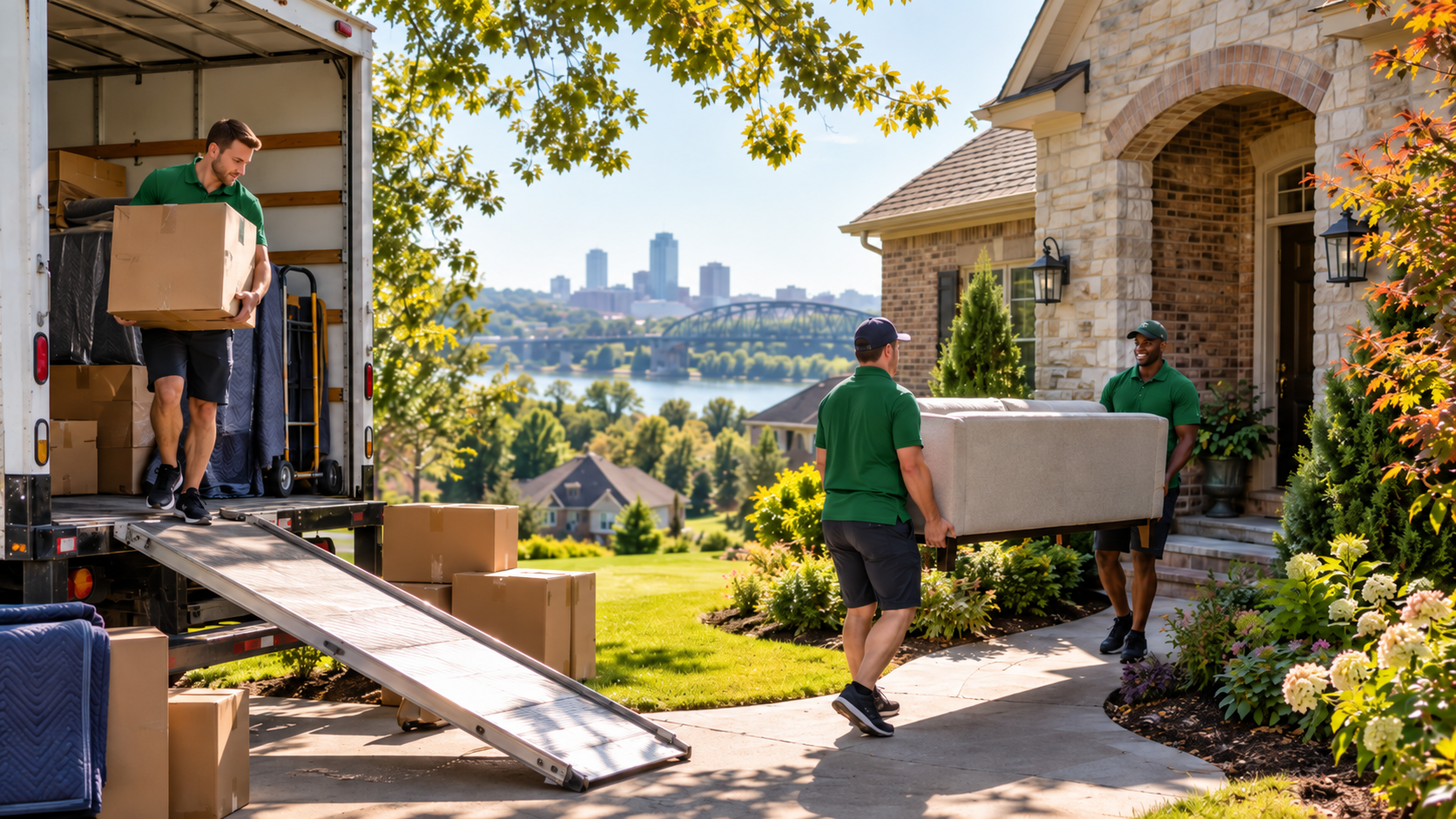

How to Prepare Your Home for Movers (So Nothing Gets Damaged)
A no-nonsense prep guide that protects your stuff, your walls, and your sanity
Start With This Mindset
Movers are fast, strong, and efficient.
They are not mind readers.
The clearer and more prepared your home is, the better the move goes. Every time.
One Week Before Moving Day
Declutter Ruthlessly
Moving is the worst possible time to be sentimental.
If you don’t use it, don’t move it.
Why this matters:
- Fewer items means faster loading
- Faster loading means lower costs
- Less clutter means less damage
Donate, sell, or toss anything you don’t actually want in your new place.
Take Photos of High-Value Items
This isn’t about distrust. It’s about clarity.
Before moving day:
- Photograph electronics
- Photograph furniture with existing wear
- Photograph fragile or high-value items
It sets expectations and avoids confusion later.
Set Aside What Should Not Be Moved
Movers shouldn’t handle:
- Personal documents
- Medications
- Jewelry
- Cash
- Small valuables
Pack these in a personal bag or box that stays with you.
Two Days Before the Move
Clear Pathways — Inside and Out
This step gets skipped more than any other.
Make sure:
- Hallways are clear
- Staircases are empty
- Doorways are unobstructed
- Driveways and walkways are accessible
Every obstacle increases the chance of damage or delays.
Disassemble What You Can
If you’re able:
- Remove bed frames
- Take legs off tables
- Disconnect TVs
Movers can do this, but pre-disassembly saves time and reduces risk.
Protect the House, Not Just the Furniture
Most people think about couches.
They forget about walls.
Do this:
- Remove wall art
- Take mirrors down
- Secure loose railings
- Cover floors if needed
A little prep here prevents a lot of frustration later.
Moving Day Prep (This Is Where It Counts)
Label Boxes Clearly
Not just the room. Be specific.
Instead of:
Bedroom
Use:
Master Bedroom – Fragile – Open First
Clear labels help movers stack correctly and place items where they belong.
Pack a “Do Not Load” Zone
Create one clearly marked area for:
- Personal bags
- First-night essentials
- Cleaning supplies
Tell the crew upfront. This avoids awkward last-minute scrambles.
Be Available, Not Hovering
The best moves happen when:
- Questions get answered quickly
- Decisions are made once
- Movers are allowed to work
Stay nearby. Stay responsive. Don’t micromanage.
After the Truck Is Loaded
Do a Final Walkthrough
Check:
- Closets
- Cabinets
- Garage
- Outdoor storage
Once the truck leaves, the house should be empty — intentionally.
Why Preparation Prevents Damage
Most damage comes from:
- Rushed decisions
- Tight spaces
- Poor communication
Preparing your home removes all three.
Movers don’t break things because they’re careless.
They break things when conditions are working against them.
Final Thought
A smooth move isn’t luck.
It’s preparation.
If you want movers to do their job well, give them the environment to succeed.
Your furniture — and your walls — will thank you.
Planning a move soon?
A little preparation goes a long way. Talk with a local moving professional who can walk you through what to expect and help you get your home ready the right way.
FAQ's
How should I prepare my house for movers?
Declutter, clear pathways, label boxes clearly, and set aside personal items you don’t want moved.
Should I pack everything before movers arrive?
Yes, unless you’ve arranged packing services. Movers work best when everything is ready to go.
Do movers protect floors and walls?
Many do, but preparing your home in advance adds an extra layer of protection.
What causes the most damage during a move?
Tight spaces, poor labeling, cluttered pathways, and last-minute packing.